The advent of blockchain and artificial intelligence technologies has led to innovative developments in the interception of art and culture. New forms of art, art exhibitions, and interaction with spectators have emerged. An overview of the diverse art forms, cultural extensions, and human interactions is presented below.
- AI as the Artist’s Assistant
- Artists increasingly use AI to brainstorm, sketch, and even finish artworks. Some leave AI outputs untouched, while others refine them into a unique piece.
- Virtual Museums
- Digital museums offer immersive, interactive experiences that transcend geography, allowing global audiences to explore cultural heritage online.
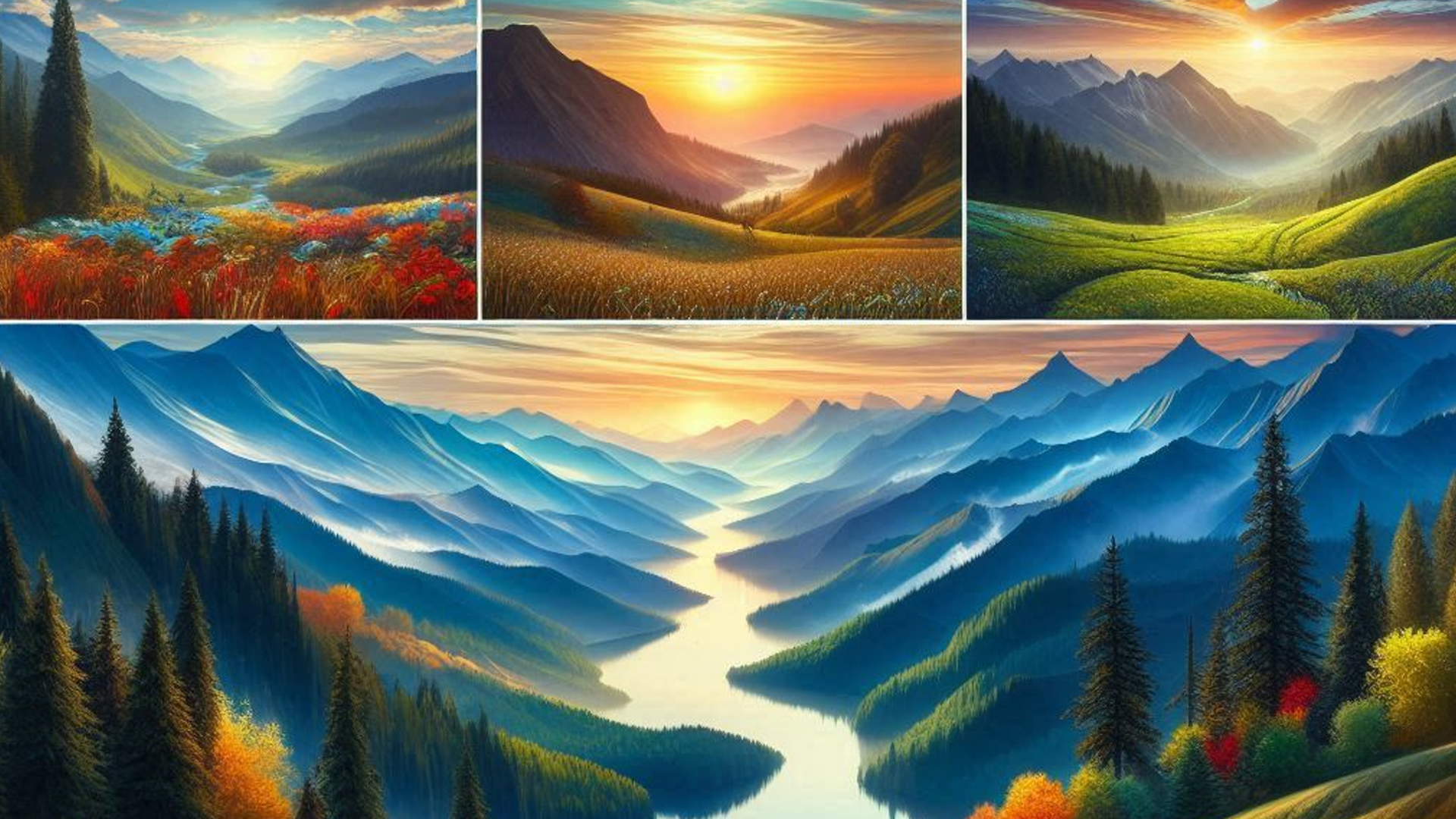
- Generative Art
- Algorithms and code create evolving, dynamic artworks. This movement emphasizes the fusion of creativity and computation.
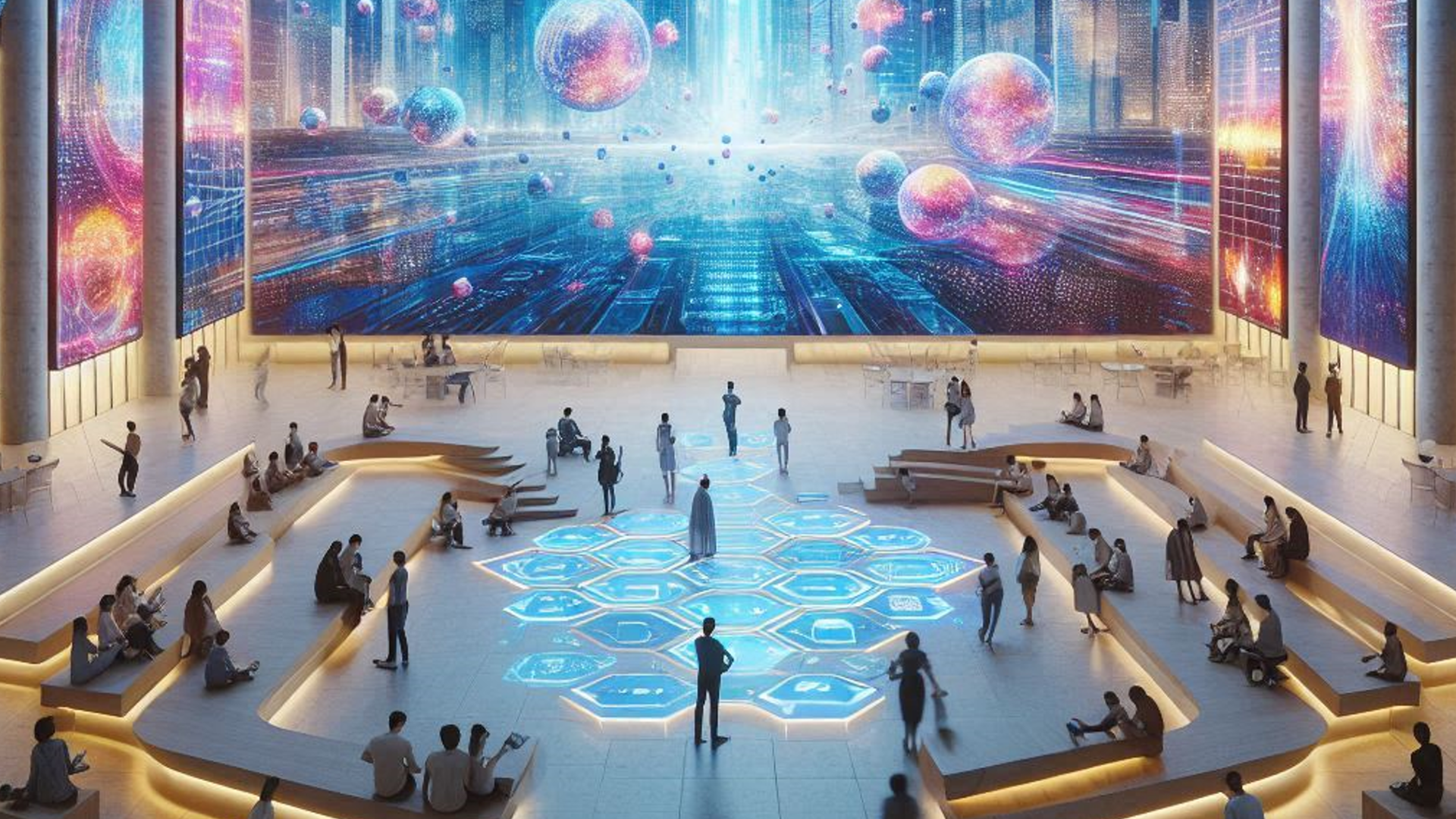
- Digital Installations
- Large-scale, interactive digital environments that blend physical and virtual spaces, often showcased in galleries or public spaces.
- Augmented Reality (AR) & Virtual Reality (VR) Exhibitions
- Museums and cultural institutions use AR/VR to enhance visitor experiences, making art more engaging and accessible.
- NFTs and Blockchain Art
- Non-fungible tokens have transformed ownership and distribution of digital art, creating new markets and debates about value and authenticity.
- Immersive Virtual Art Experiences
- Multisensory digital creations allow audiences to interact with art in entirely new ways, from VR galleries to online-only works.
- Cross-Cultural Collaboration
- Digital platforms foster global artistic dialogue, enabling artists from different cultures to collaborate and share perspectives.
- Net Art
- Art created specifically for the internet, often interactive and participatory, reflecting the digital age’s aesthetics and social dynamics.
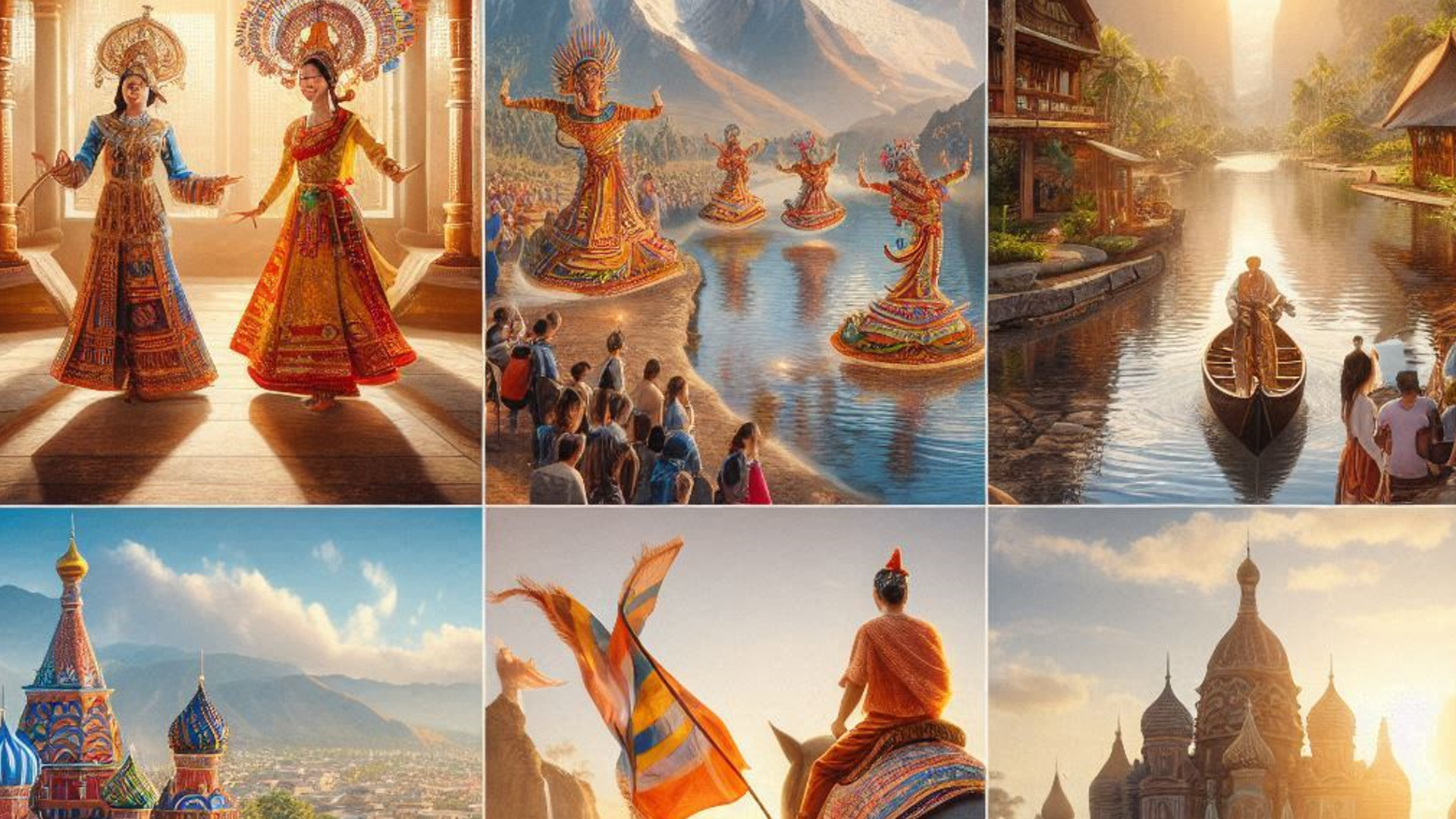
- Virtual Tourism in Culture
The rise of virtual tours of museums and cultural landmarks, especially accelerated during the pandemic, continues to shape how people engage with heritage.
Both tangible and intangible values ensue from the impact of the technological revolution on art and culture, including the following:
- Accessibility: Virtual art removes barriers of geography, cost, and exclusivity.
- Innovation: AI, AR, and VR push the boundaries of creativity.
- Cultural Exchange: Digital platforms encourage dialogue across borders.
- Market Shifts: NFTs and blockchain redefine ownership and value in art.
Virtual art and culture are not just trends—they’re reshaping how humanity experiences creativity and heritage. The blending of technology and artistry is creating a new cultural ecosystem where participation, immersion, and innovation are central.
Would you like me to expand this into a visual timeline of how these topics emerged over the past decade? That could show the evolution from early net art to today’s AI-driven creativity.
Sources: Singulart Springer thecreativita.com EDHEC Business School avanti3.com
Related Posts
The Evolution of Generative Art
Abstract Generative art represents a paradigm shift in artistic practice,…
Digital Installations: An Immersive Experience of Interactive and Participatory Art in a Space
Abstract Digital installations represent a transformative artistic practice that merges…
Virtual Tourism in Culture
Abstract This paper provides a multidisciplinary analysis of the emergence…